












































Online MBA in Marketing and Operations & Supply Chain Management
An Online MBA in Marketing and Operations & Supply Chain Management brings together two sides of business that work closely in day-to-day operations. Marketing focuses on customers, brands and business growth, while operations and supply chain management deal with processes, logistics and the movement of products and services.
The specialisation can help learners build a wider understanding of business, along with strategic thinking, analytical abilities and practical management skills. The online format also makes it relevant for graduates and working professionals looking to pursue a postgraduate management degree with greater flexibility.
Know More About the Online MBA in Marketing + Operations & Supply Chain Management at ATLAS SkillTech University
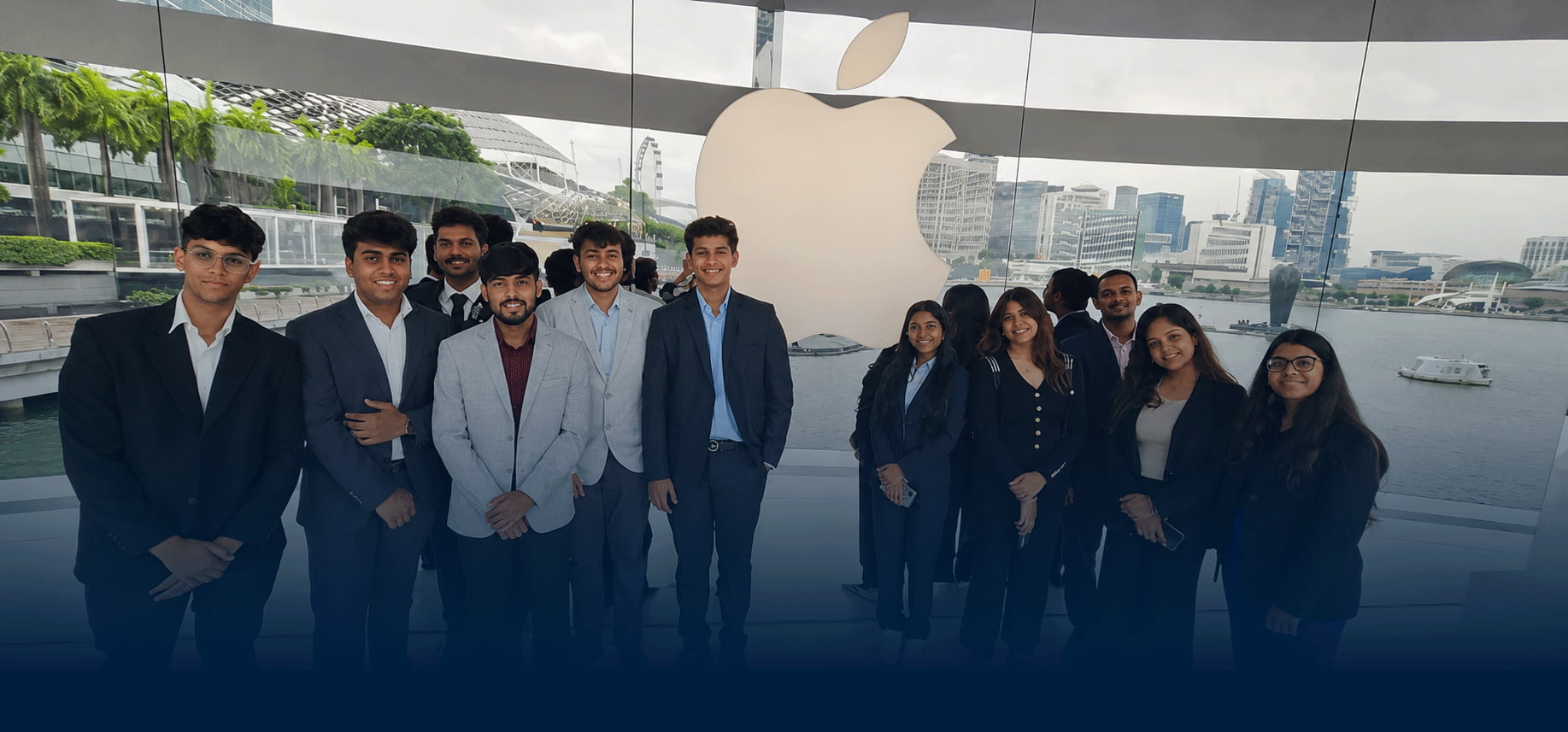
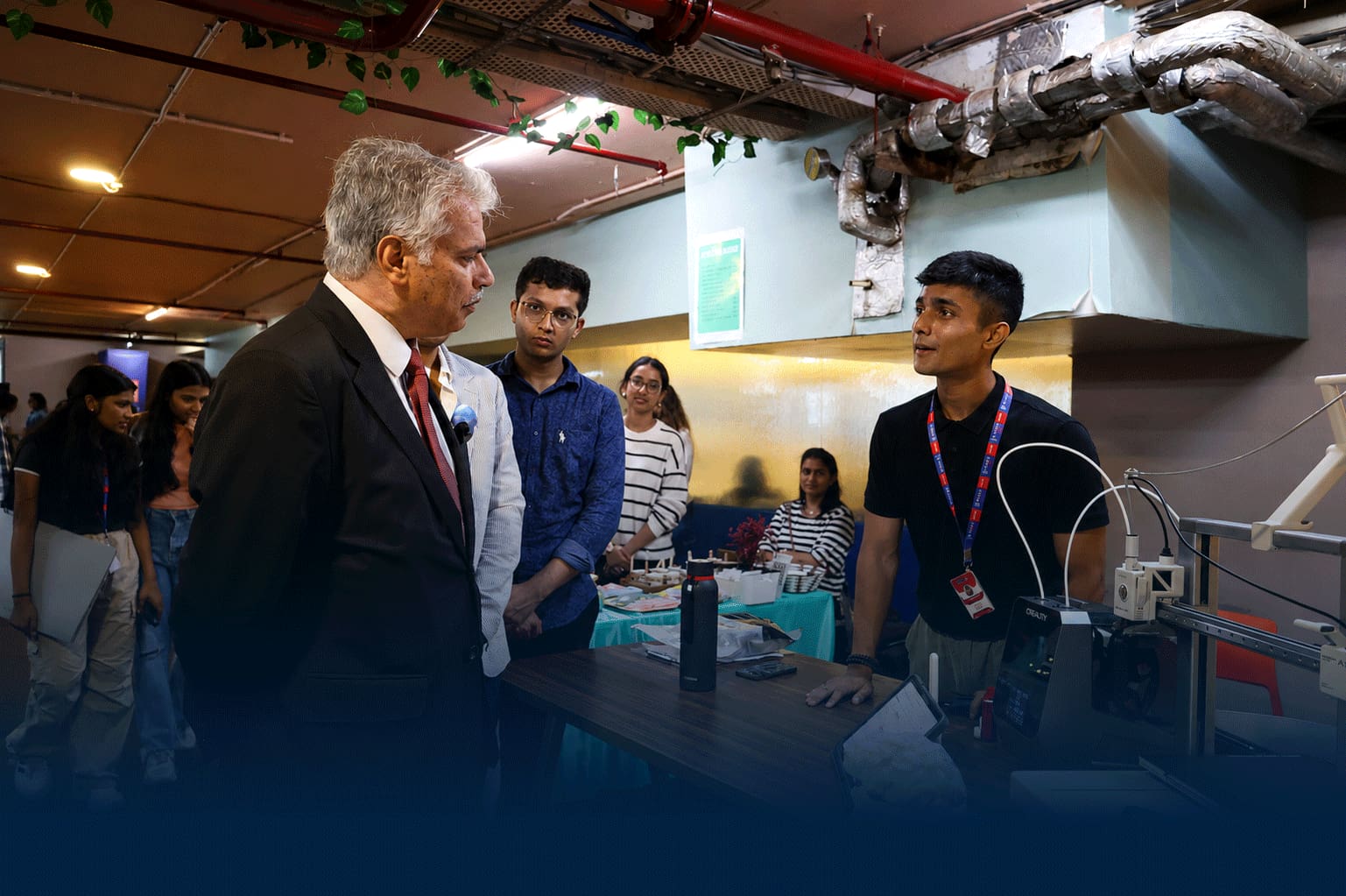
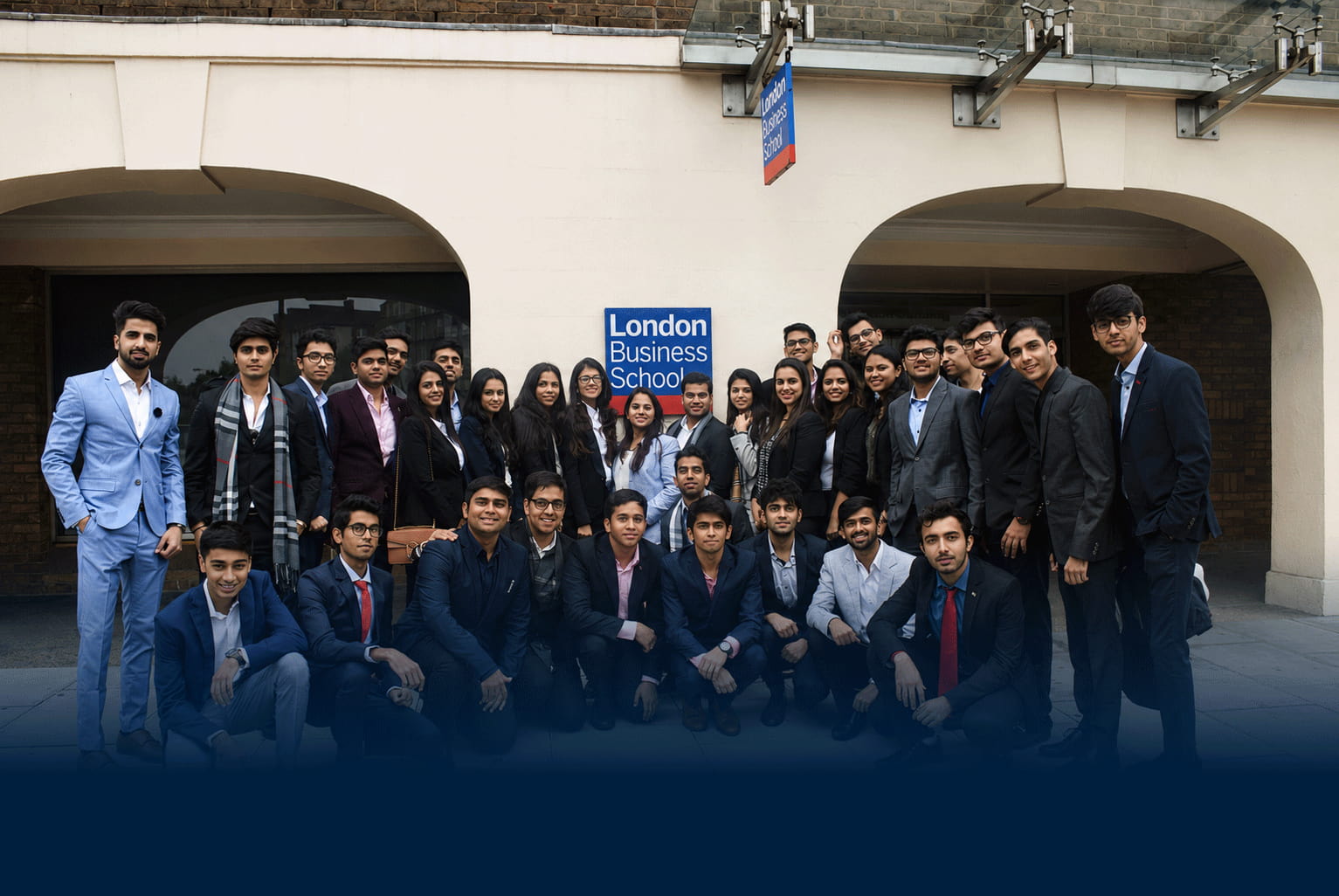
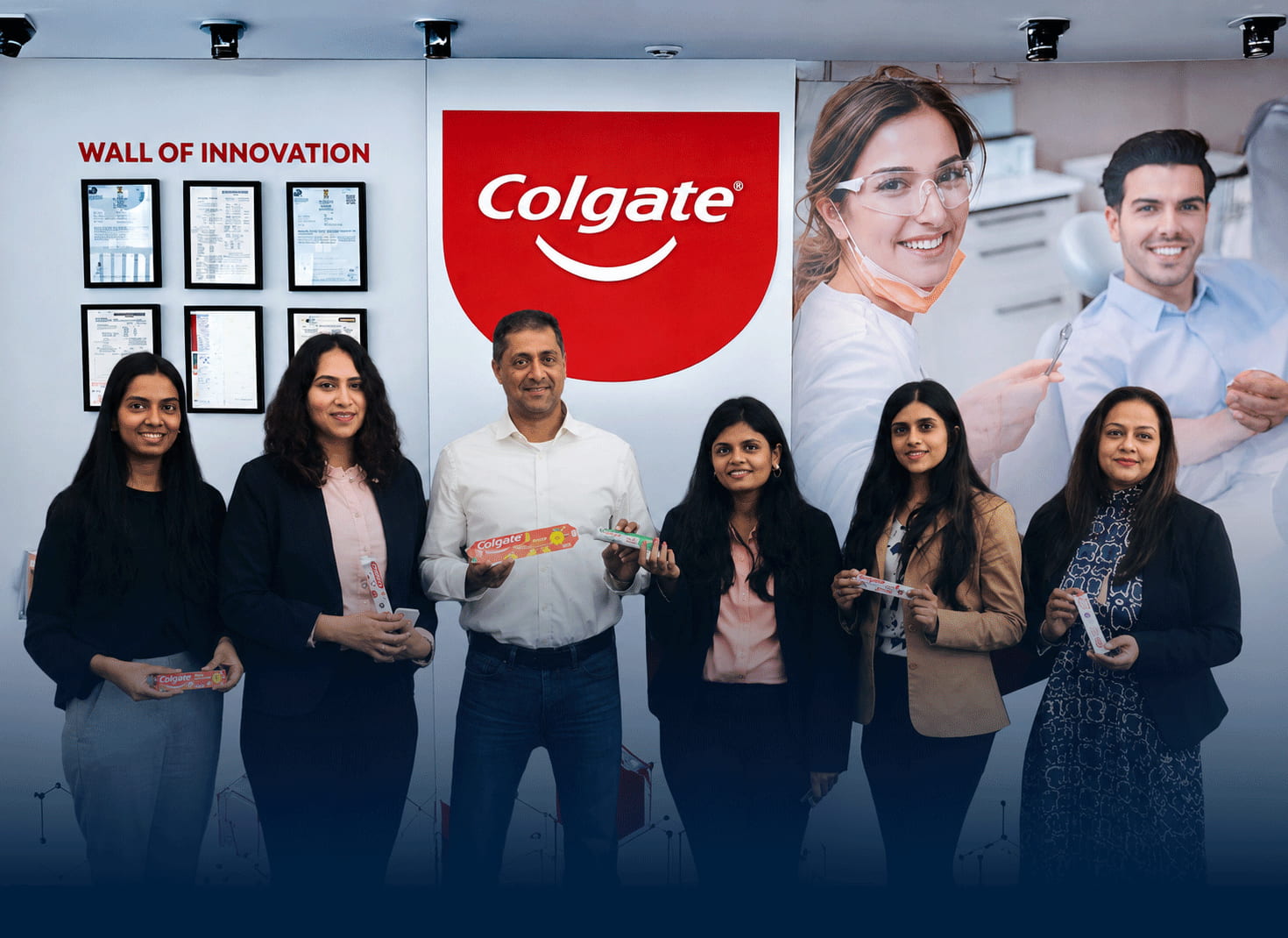
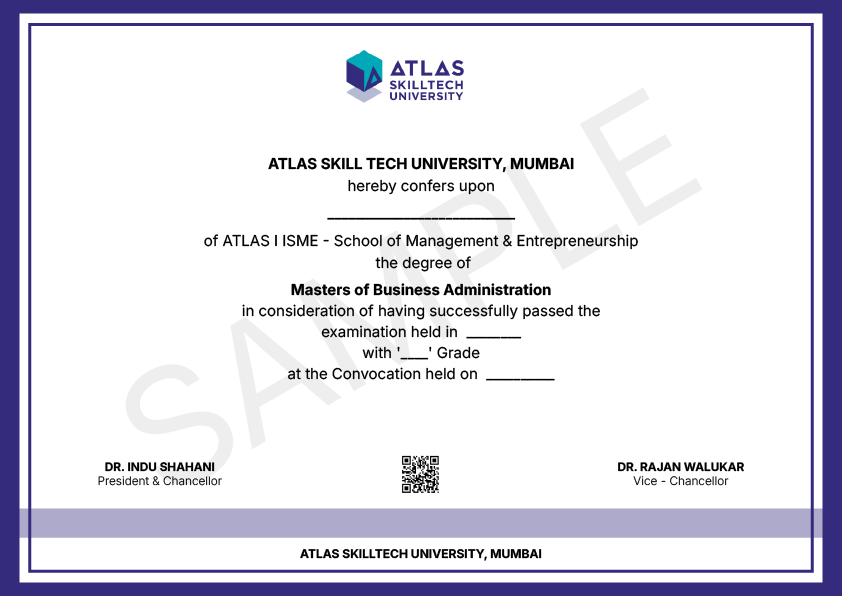
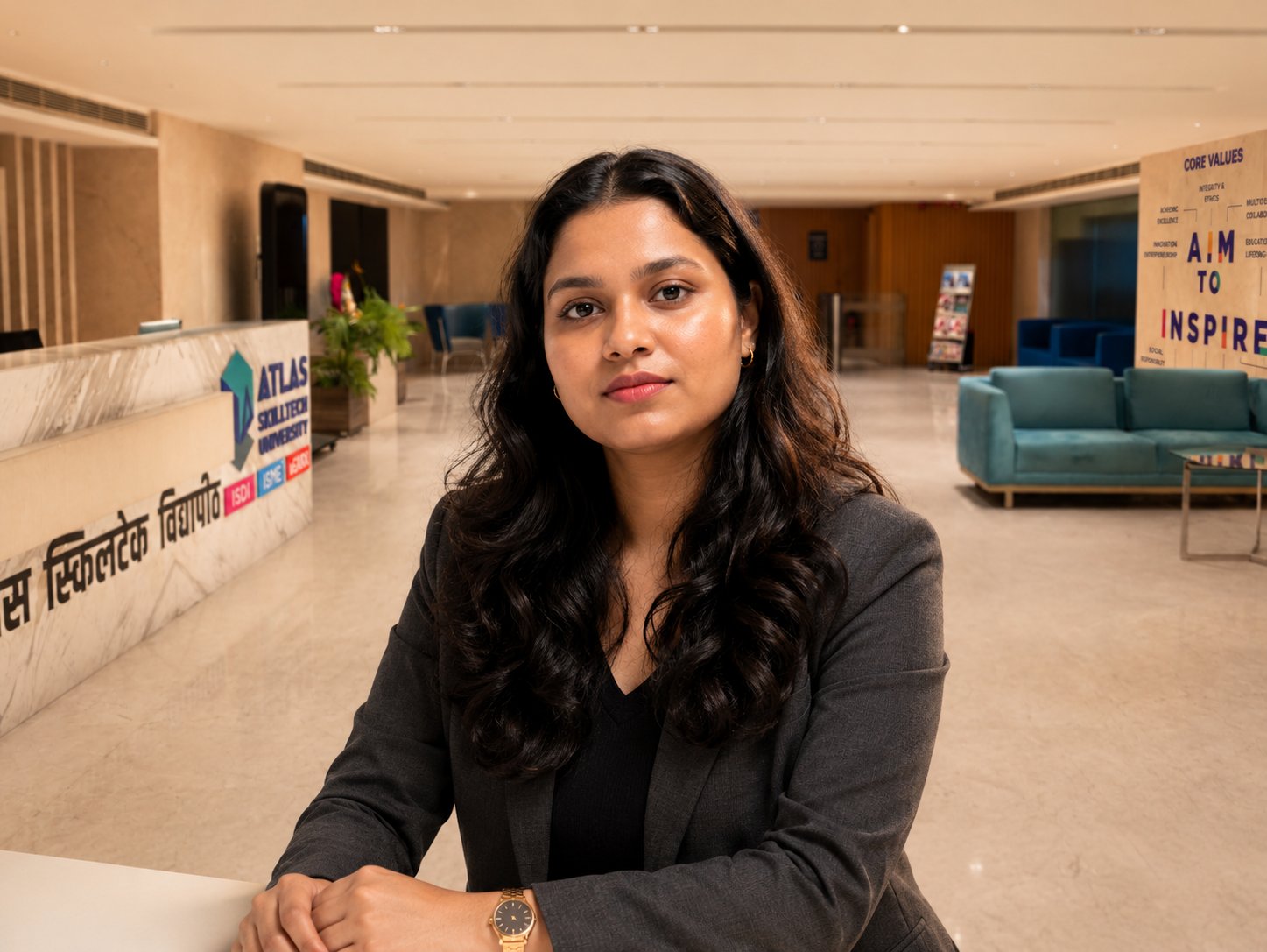
ATLAS SkillTech University is a new-age, urban, multidisciplinary university that focuses on real-world learning, industry collaboration, global exposure and experiential education. Its Online MBA is designed around business fundamentals, leadership practices, strategic thinking and decision-making.
The program has a 2-year duration, 87 credits and a flexible completion window of up to 4 years. The university's approach brings together:
Multidisciplinary learning across different areas of business
Industry integration through industry-focused learning
Global exposure to broader business perspectives
Entrepreneurial orientation for learners interested in business and innovation
Real-world learning through practical academic activities
The university is located in Mumbai's Bandra Kurla Complex, one of the city's major business districts. The Online MBA also follows an AI-integrated learning approach, with AI incorporated into the broader learning experience.
Key Highlights
The Online MBA at ATLAS SkillTech University includes the following program-level details:
Benefits and Advantages
A learner who chooses to specialise in a course which integrates marketing with operations and logistics can have an opportunity to gain more insights into the relationships between various functions within a business.
Learning Business Through Integration: Marketing decisions are highly associated with operations and logistics processes. Studying these areas together can help learners understand the relationship between different business functions.
Industry-Oriented Learning: The university states that its courses are co-created and delivered with industry experts and are regularly updated with industry inputs.
AI-Enabled Learning: AI is integrated across the curriculum to support domain-specific skills and real-world applications.
Practical Exposure: Business cases, live industry projects, AI-enabled problem solving, workshops and capstone projects form part of the learning approach.
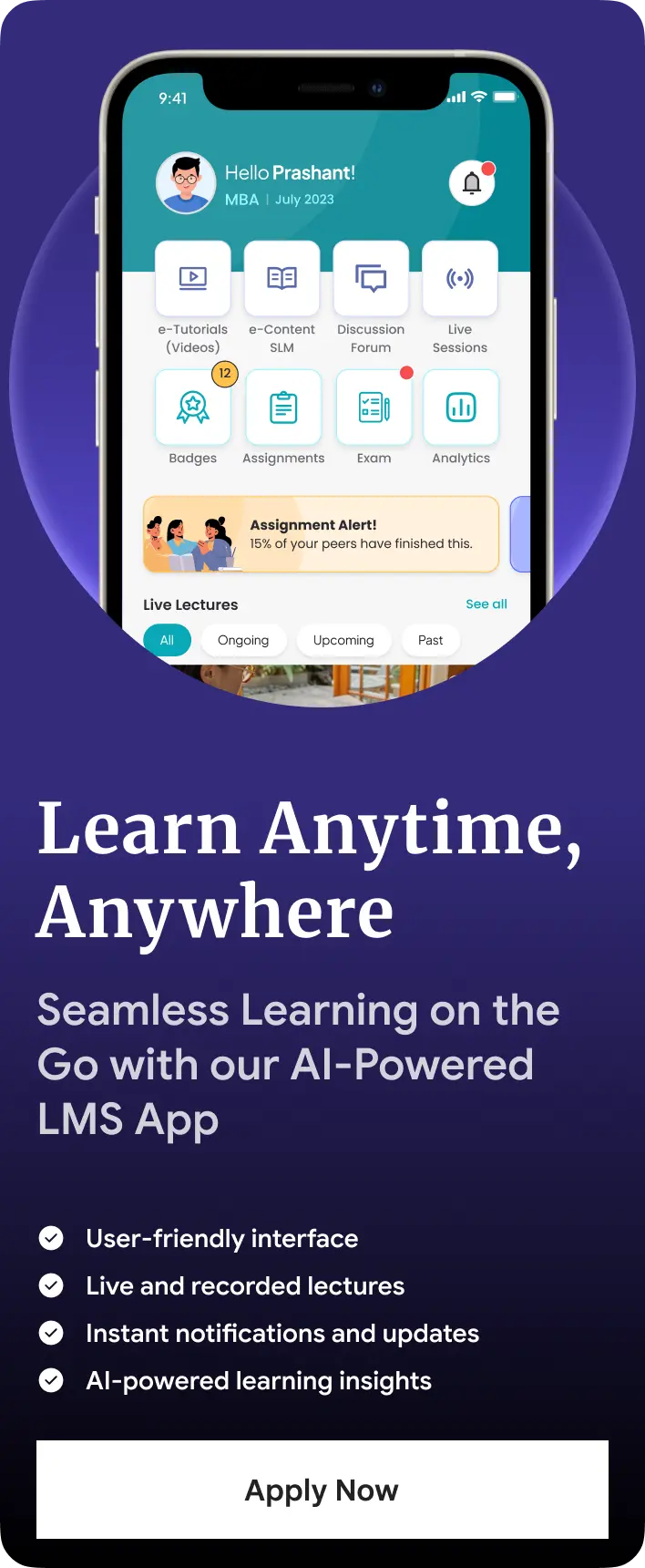
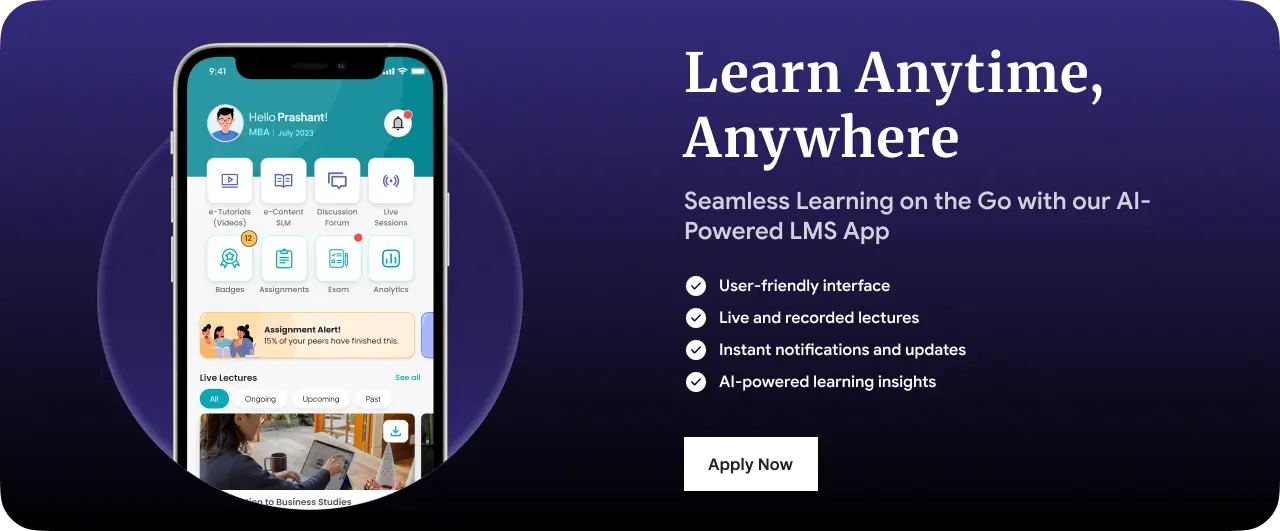
Flexible Online Learning: Learners can attend live sessions, revisit recorded sessions and access structured learning resources through the LMS.
Professional Skill Development: The program focuses on skills such as strategic thinking, communication, decision-making, collaboration, analytics and performance measurement.
Ideal Candidates
The specialisation can be considered by learners who want to understand both the customer-facing and operational sides of a business.
Graduates looking to build management knowledge with a focus on marketing and business operations.
Working professionals seeking a flexible postgraduate management qualification.
Professionals working in or interested in marketing functions.
Professionals interested in operations, logistics and supply chain functions.
Learners looking to understand both customer-facing and operational sides of business.
Professionals looking to strengthen their business, analytical and decision-making skills.
Learners interested in applying AI and digital tools to business situations.
Prior work experience should not be considered mandatory unless it is specifically stated as part of the official eligibility requirements.
Teaching Methodology
The Online MBA uses a mix of online classes, recorded content, industry interaction and practical learning activities.
Live Faculty Interactions: Virtual classes include live faculty interaction, real-time discussions and doubt clarification.
Recorded Learning: Learners can revisit recorded sessions according to their learning schedules.
Industry Expert Learning: The university states that sessions are delivered by industry experts and academic leaders.
Business Cases: Real-world business cases are used to connect concepts with practical business situations.
Live Industry Projects: Students engage with live industry projects and practical business problems.
AI-Enabled Problem Solving: AI tools and applications are incorporated into the learning process.
Workshops and Experiential Learning: Hands-on workshops and experiential learning activities lead into capstone projects.
AI-Powered LMS: The learning platform provides subject-wise modules, semester planning and progress tracking.
Eligibility
The Online MBA requires applicants to meet the educational eligibility criteria stated by the university. The basic requirement is a bachelor's degree from a recognised university or institution with a minimum of 50% aggregate.
The program has a duration of two years, while students have up to four years to complete it.
Admission Process
The admission process follows five main steps:
Step 1: Personalised Online Counselling
One-on-one guidance is provided to help applicants choose the appropriate program.
Step 2: Online Application & Registration
Applicants complete the online application, submit the required documents and register for the program.
Step 3: Document Approval
The submitted documents are reviewed and verified within 48 hours.
Step 4: Program Fee Payment
Applicants receive access to the fee payment portal to complete the payment process.
Step 5: LMS Access
Students receive access to their student account and learning platform.
Syllabus
The Online MBA syllabus combines Marketing with Operations & Supply Chain Management, covering areas such as digital marketing, brand management, marketing analytics, supply chain design, operations strategy, logistics and sourcing. Alongside these specialisation-focused subjects, the curriculum also includes finance, AI tools, leadership, business research and strategic management.
The four-semester structure includes core subjects, Group XII subjects, vocational learning and multidisciplinary electives.
The curriculum also focuses on skills such as user research, AI product development, analytics, decision-making, strategic thinking, business ethics, problem solving, stakeholder management and data interpretation.